Please note: This article is general information about selling a storm-damaged Florida home. Insurance claims are contract-specific and deadline-driven — your policy and, where needed, a Florida insurance attorney or licensed public adjuster control your claim. Nothing here is legal or insurance advice.
Option one: finish the claim, then decide
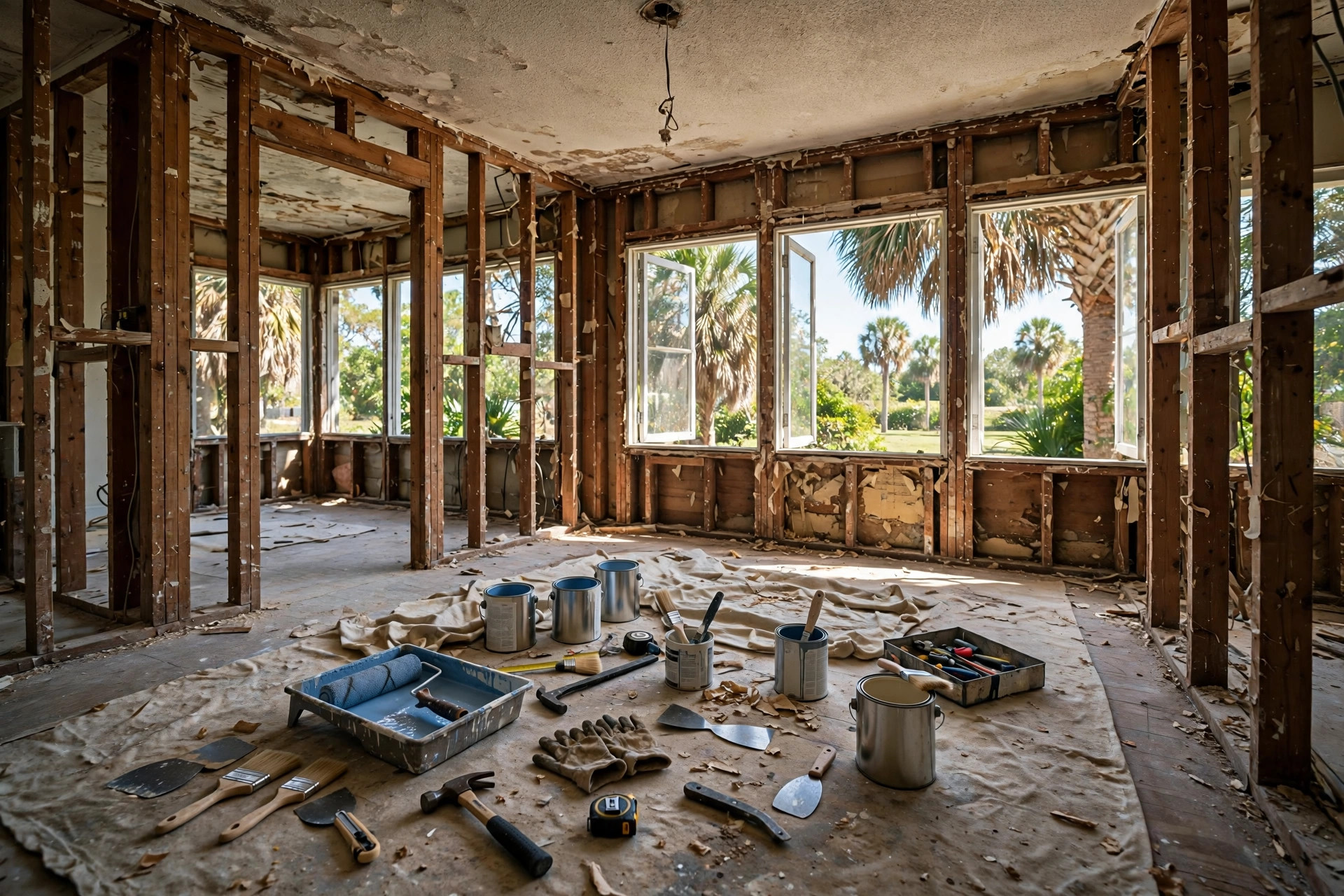
The traditional path: document everything, file promptly (Florida policies have strict notice deadlines, and hurricane claims have statutory timelines), get the insurer's scope of loss, repair with the proceeds, then sell a repaired house. Done well, it captures the most value. Done in real life, it often means months of adjuster visits, supplement requests, contractor delays, and a damaged house you're still paying taxes, insurance, and possibly a mortgage on — while living somewhere else. If you have the time, housing stability, and stomach for it, it's a legitimate path. Many storm families simply don't.
Option two: sell as-is with the claim still open
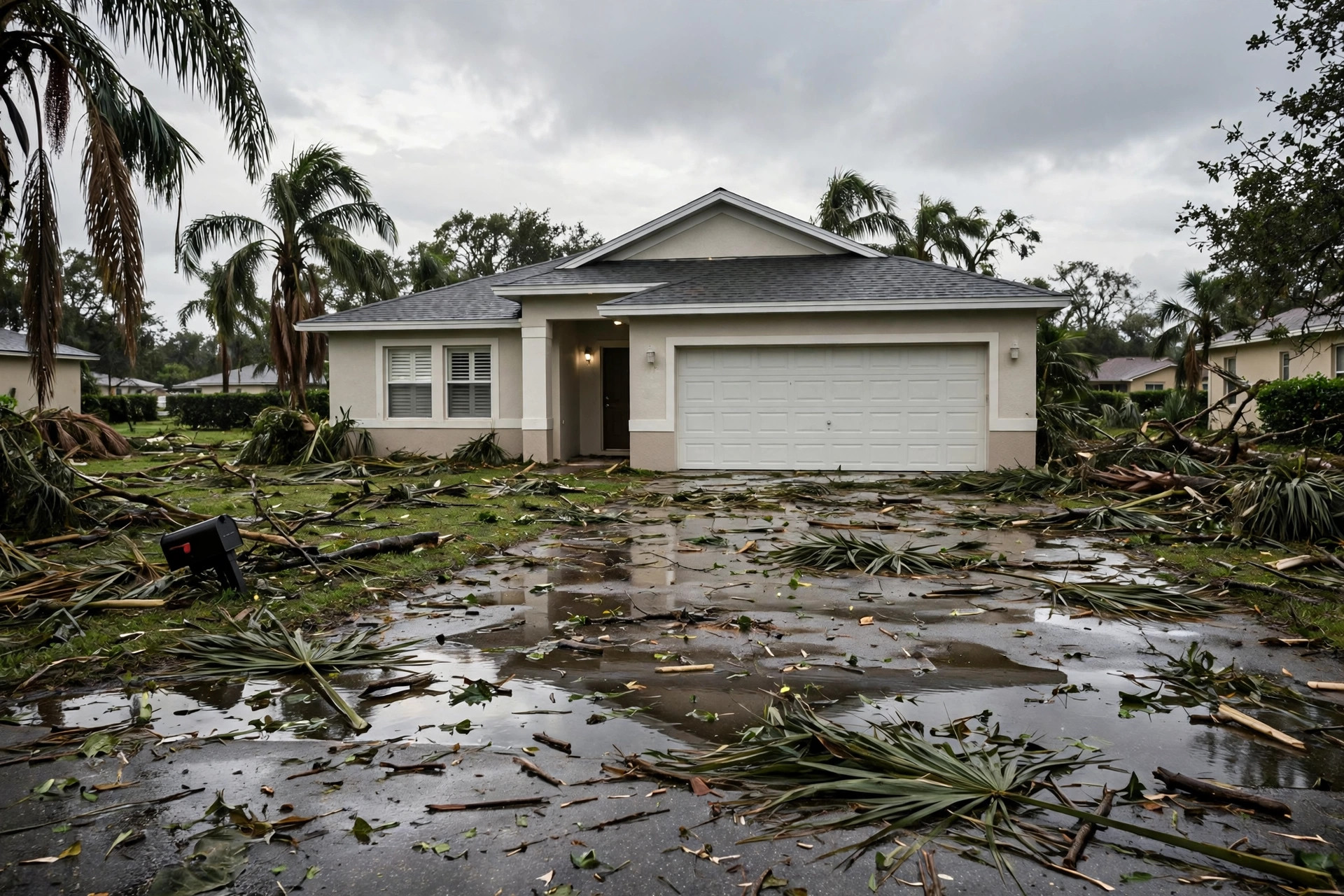
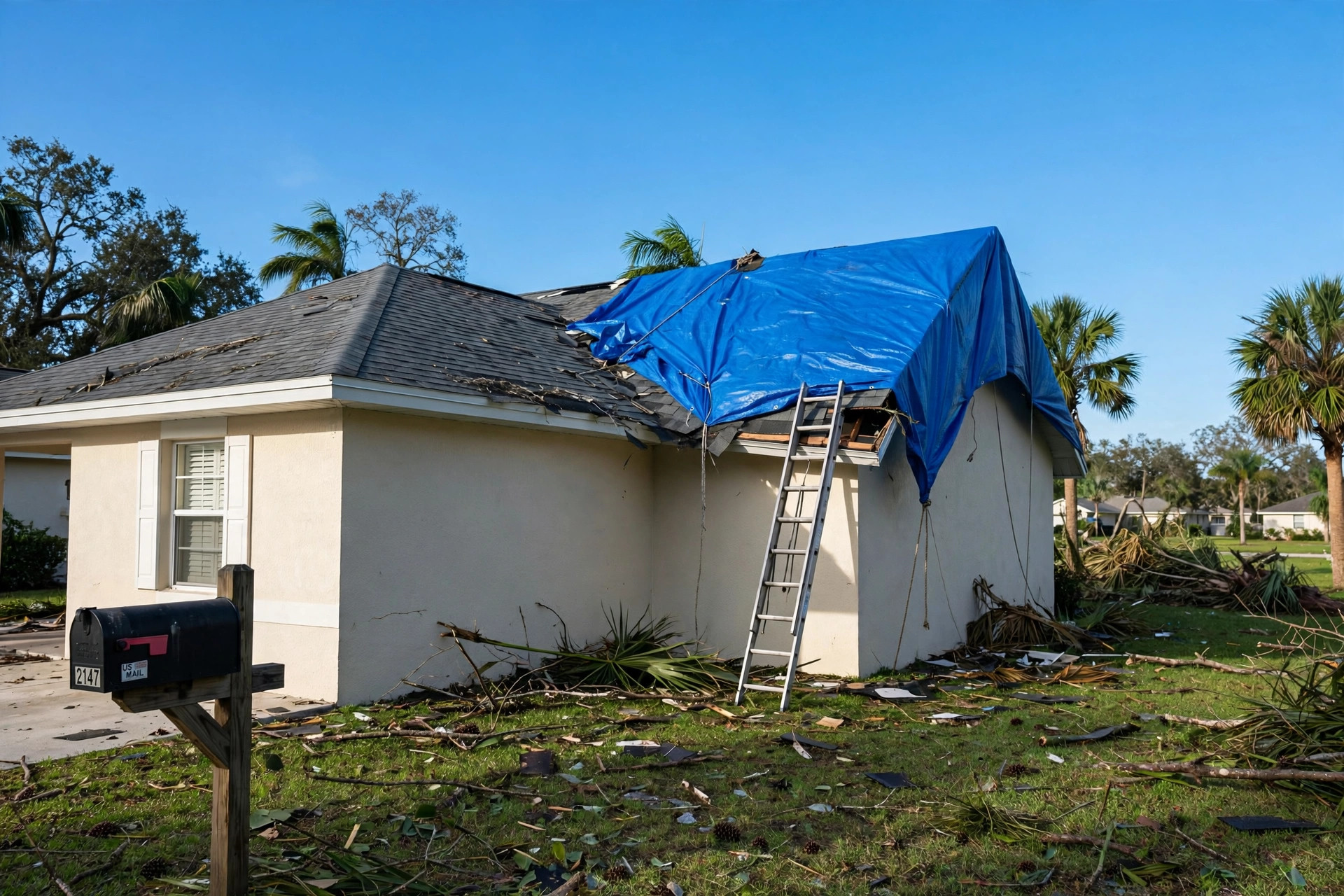
You can sell a damaged house as-is, claim and all — buyers like us price the visible damage and the remaining repair scope into the offer. The key questions to settle before closing, in writing:
- What happens to the claim? Options include closing the claim out before the sale, settling with the insurer and disclosing the outcome, or — in some cases and with insurer and lender awareness — transferring claim rights to the buyer. Each has paperwork and consequences; this is a place for professional guidance, not a handshake.
- Has any claim money already been paid? If your mortgage company is on the check — common, because lenders are named on policies — those funds are usually held in escrow and released for repairs. Money sitting in a loss-draft escrow has to be accounted for in the sale, so tell any buyer about it up front.
- What's disclosed? Florida sellers must disclose known material defects. Storm damage and claim history are exactly the kind of thing to disclose in writing. Honest disclosure protects you after the sale; surprises create lawsuits.