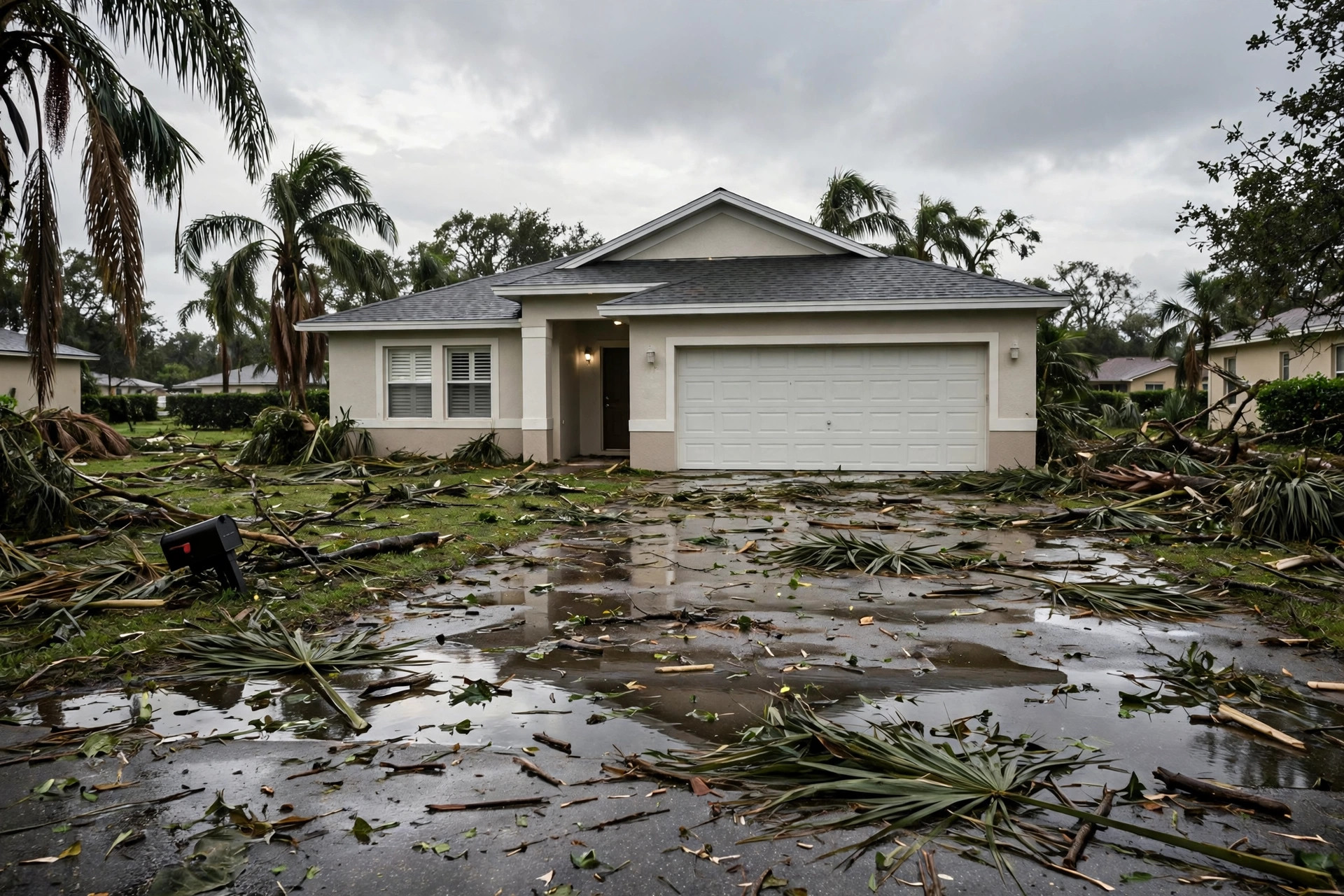
The trap that decides for a lot of owners: the roof
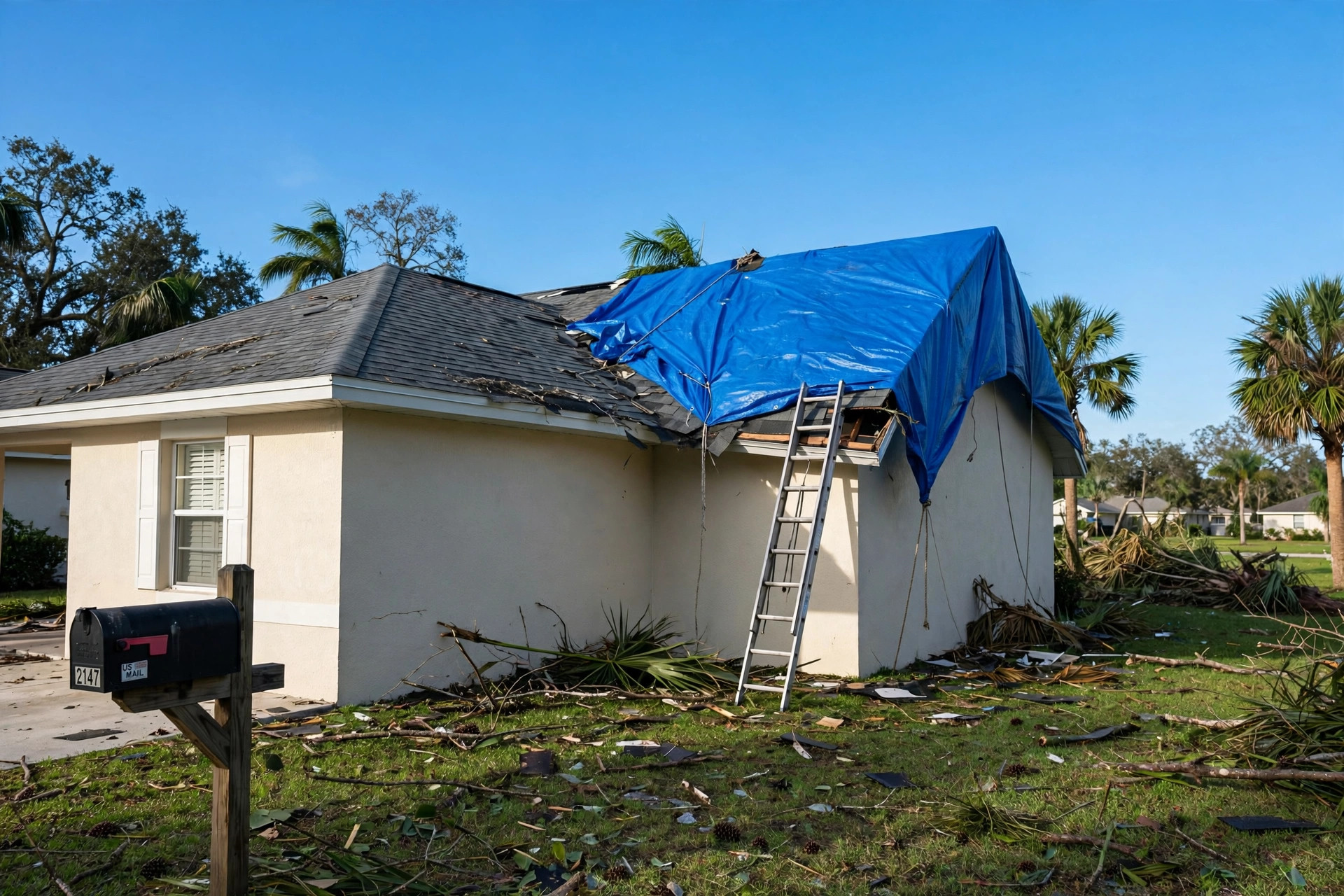
In today's Florida insurance market, a roof past roughly its mid-teens in years can make a house nearly uninsurable — and uninsurable means un-financeable, which means the retail buyer pool mostly vanishes even after other repairs are done. If storm damage has your roof at end-of-life, run this math before repairing anything else: a new roof in South Florida frequently runs into the tens of thousands. Sometimes it's the right investment for a house you'll sell retail or keep for years. Sometimes it's money spent to qualify for a market that an as-is sale would have reached anyway, months sooner.
The as-is path, honestly priced
Selling as-is means a buyer prices the storm scope — roof, water damage, mold remediation, systems — into the offer, takes the house in its current condition, and does the work on their own timeline and contractor relationships. You give up the repaired value; you keep the months, the claim fight, the contractor management, and the carrying costs out of your life. If your claim is open, it has to be handled correctly at the sale — we explain the mechanics in selling with an open insurance claim. Note that claim proceeds already paid for repairs not performed have to be accounted for honestly with your insurer and lender; disclosure is what keeps an as-is sale clean.
A simple way to decide
Write two numbers. Number one: repaired retail value, minus full repair cost with contingency, minus six months of carrying costs, minus selling costs — that's the repair path's realistic net, arriving in six-plus months with execution risk. Number two: an actual as-is offer, in writing, arriving in two to three weeks with none of the risk. When number one is much bigger and you have the time and housing stability, repair. When they're close — or when your life can't hold a construction project right now — the as-is number is the honest winner. We're in Dania Beach; getting number two from us costs one walkthrough and zero obligation.
Mold and water: the clock that starts when the storm ends
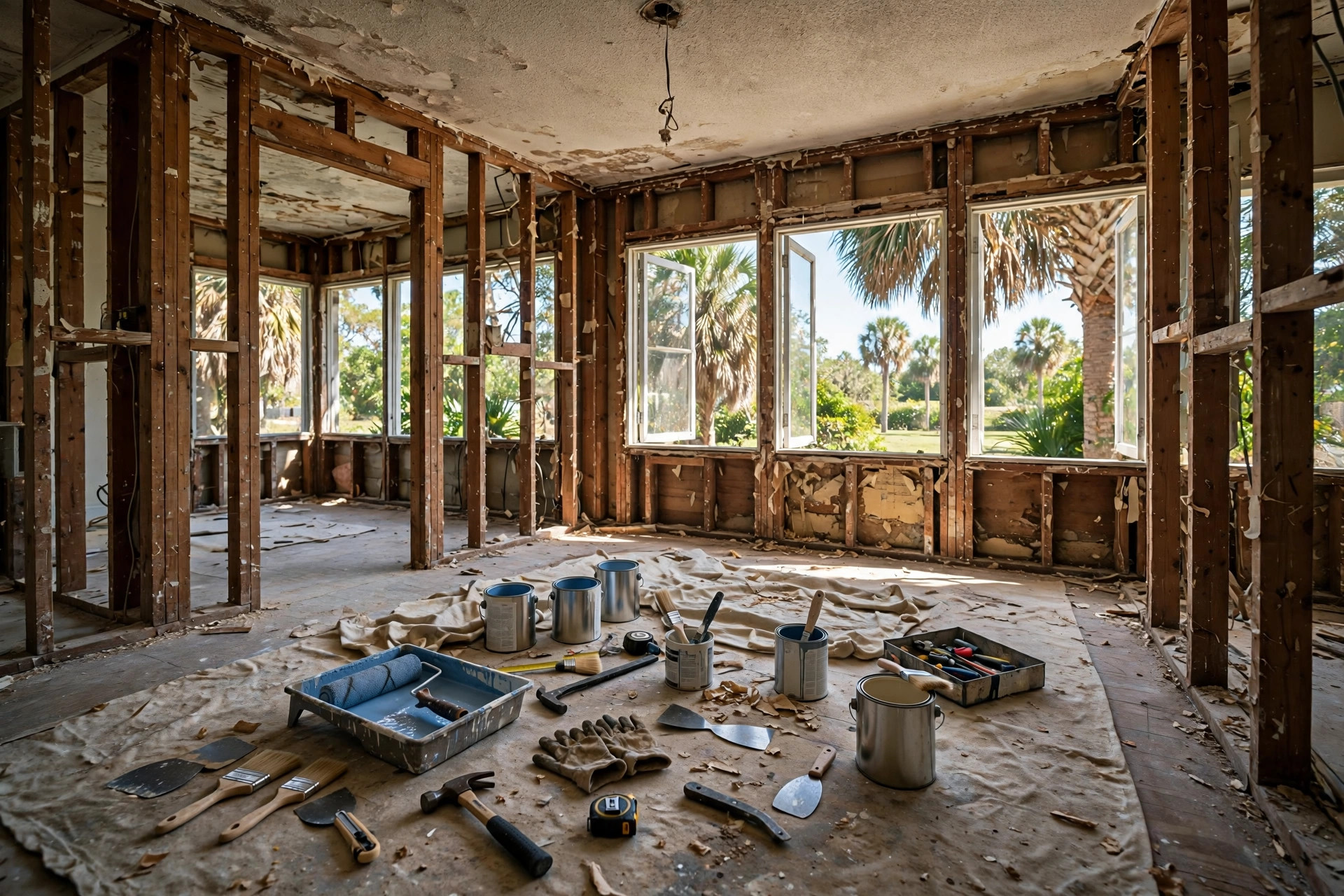
In South Florida's humidity, water intrusion becomes a mold question within days, not weeks. If you choose the repair path, water extraction and drying come first and fast — before drywall decisions, before anything cosmetic — and reputable remediation companies document moisture levels as they go, which your insurer will want to see. If you're leaning toward selling as-is, don't let anyone sell you an emergency whole-house mold treatment out of a van: get the property safe and dry enough to stop ongoing damage (that's also your duty under your policy), document conditions with photos, and let the buyer's scope account for remediation at trade pricing. The difference between mitigation and remediation is the difference between a few hundred dollars and a panic invoice.
Permits, if you do repair
Dania Beach requires permits for most substantial repairs — roof work, structural, electrical, and significant drywall among them — and post-storm periods bring both expedited processes and, later, close scrutiny of unpermitted storm repairs. Pull the permits. Unpermitted work becomes the next owner's problem and this owner's disclosure problem at resale, and it can reopen insurance questions you'd rather have closed. Licensed contractors handle permitting as part of the job; treat any contractor who suggests skipping it as your cue to find a different contractor.